
Most chimney damage in Chicago homes is predictable and preventable. These five warning signs indicate problems that get significantly worse — and more expensive — if ignored past one heating season.
Chicago's climate is among the most demanding in North America for masonry chimneys. The combination of extreme temperature swings, heavy precipitation, and multiple freeze-thaw cycles per winter creates conditions that accelerate deterioration faster than most homeowners expect. The good news is that chimney problems announce themselves — if you know what to look for. These five warning signs each indicate conditions that will worsen materially over a single heating season if not addressed.
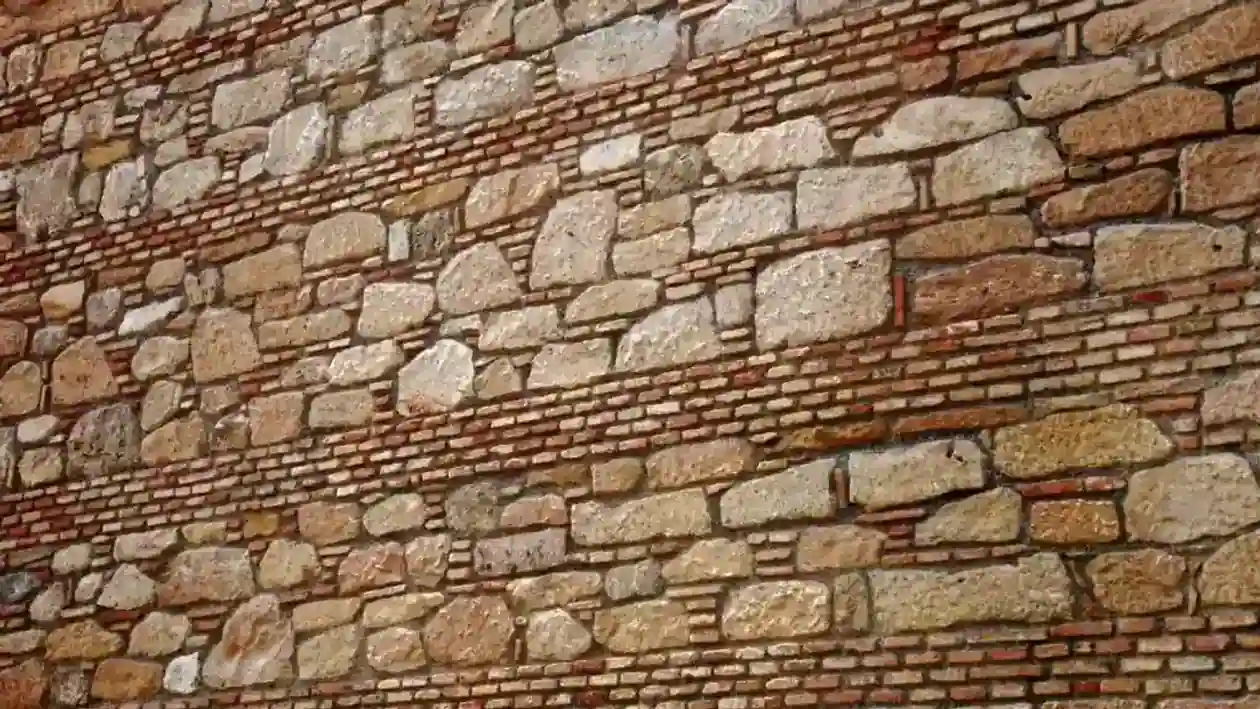
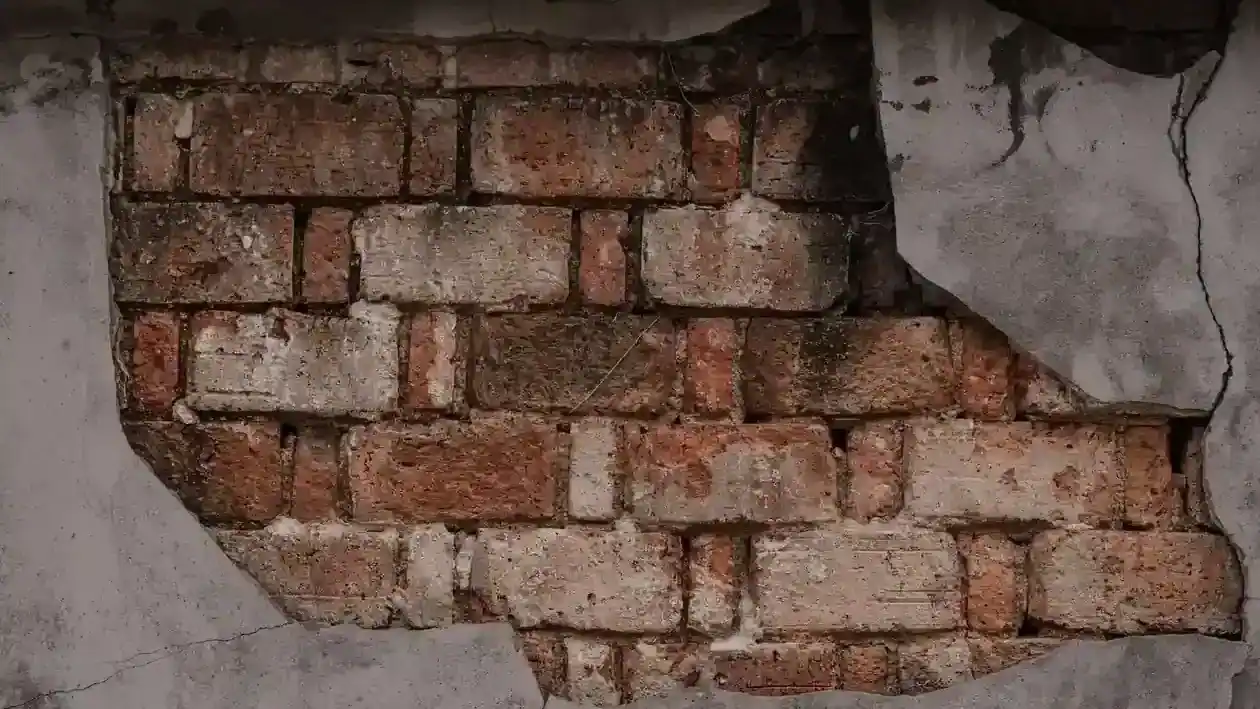
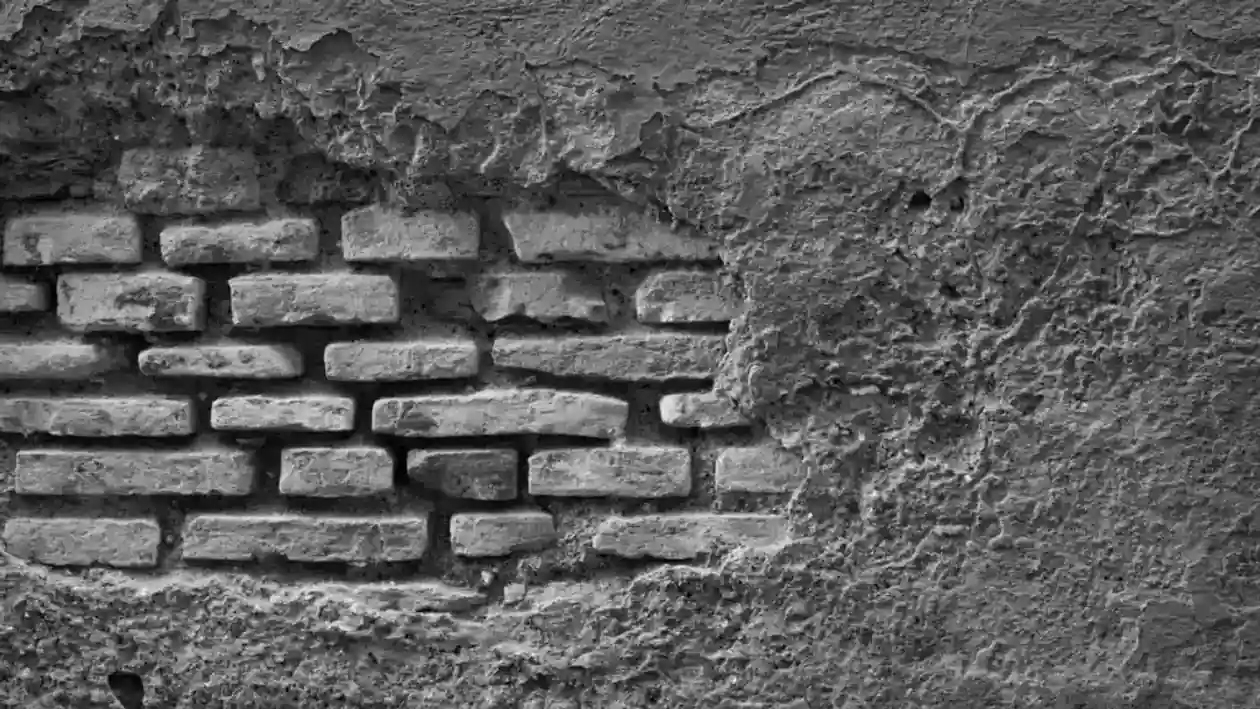
1. White staining on brick (efflorescence). White mineral deposits on exterior brick are caused by water moving through the masonry and depositing mineral salts on the surface. Efflorescence is the chimney's way of telling you water is moving through the brick — which means mortar joints are failing, the crown has cracked, or flashing has separated. The staining itself is harmless; the water movement causing it is not. 2. Crumbling mortar joints. Mortar that crumbles when pressed with a finger has lost its structural and weatherproofing function. It should be removed and replaced — not filled over, which is the common shortcut that appears to solve the problem while accelerating the underlying deterioration. 3. Spalled brick faces. When brick faces break away in flakes or chunks, the porous inner brick material is exposed directly to moisture. Each subsequent freeze-thaw cycle widens the damage to adjacent bricks, and the deterioration accelerates. Address spalled brick immediately.
4. Visible daylight through the firebox damper when the damper is closed. Light visible around a closed damper indicates the damper seal has failed, the damper plate has warped, or the damper frame has corroded. Beyond the obvious heat loss, a failed damper allows cold air infiltration and moisture entry into the firebox, accelerating liner and firebox masonry deterioration. 5. Water stains on ceilings or walls near the chimney. Interior water staining adjacent to the chimney structure is evidence that water has already breached the exterior envelope and is moving into the building interior. The source may be failed flashing, a cracked crown, or failed mortar — but any of these is serious enough to require immediate inspection rather than seasonal observation.
If you observe any of these signs on your home's chimney, contact AMS for an inspection before the heating season or immediately upon discovery. All five conditions worsen through winter freeze-thaw cycles, and all five are less expensive to repair when addressed before the next round of temperature cycling. We provide free chimney inspections throughout Chicagoland and can typically schedule an assessment within one to two weeks.