
Chicago averages 30 freeze-thaw cycles per year — more than almost any other major US city. Here's how those cycles damage brick and mortar, and what homeowners can do to minimize the impact.
Chicago averages approximately 100 days per year when the temperature cycles across the 32°F freezing threshold — more freeze-thaw cycles than most major US cities, including many northern markets that experience colder sustained temperatures. It is not the cold itself that damages masonry; it is the cycling between freezing and thawing, which creates expansion and contraction stress in any material that has absorbed water. Understanding this mechanism explains why the same brick installed in two Chicago homes — one maintained, one not — can look dramatically different after 25 years.
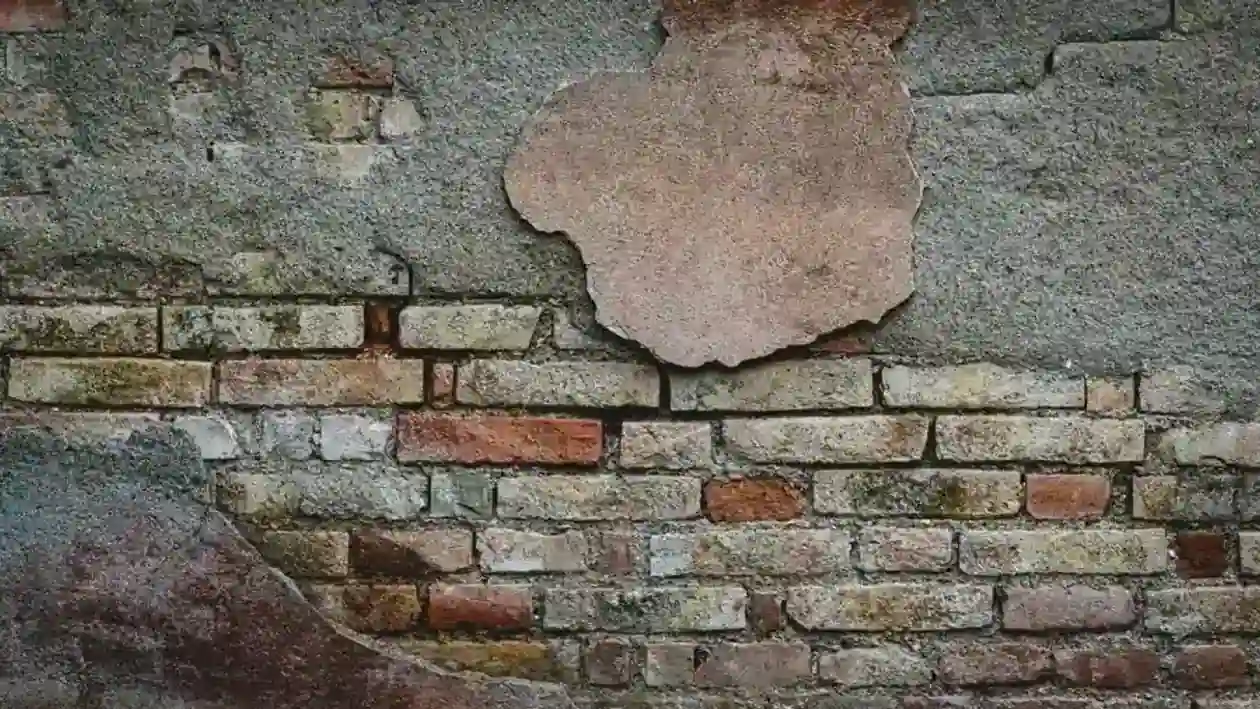
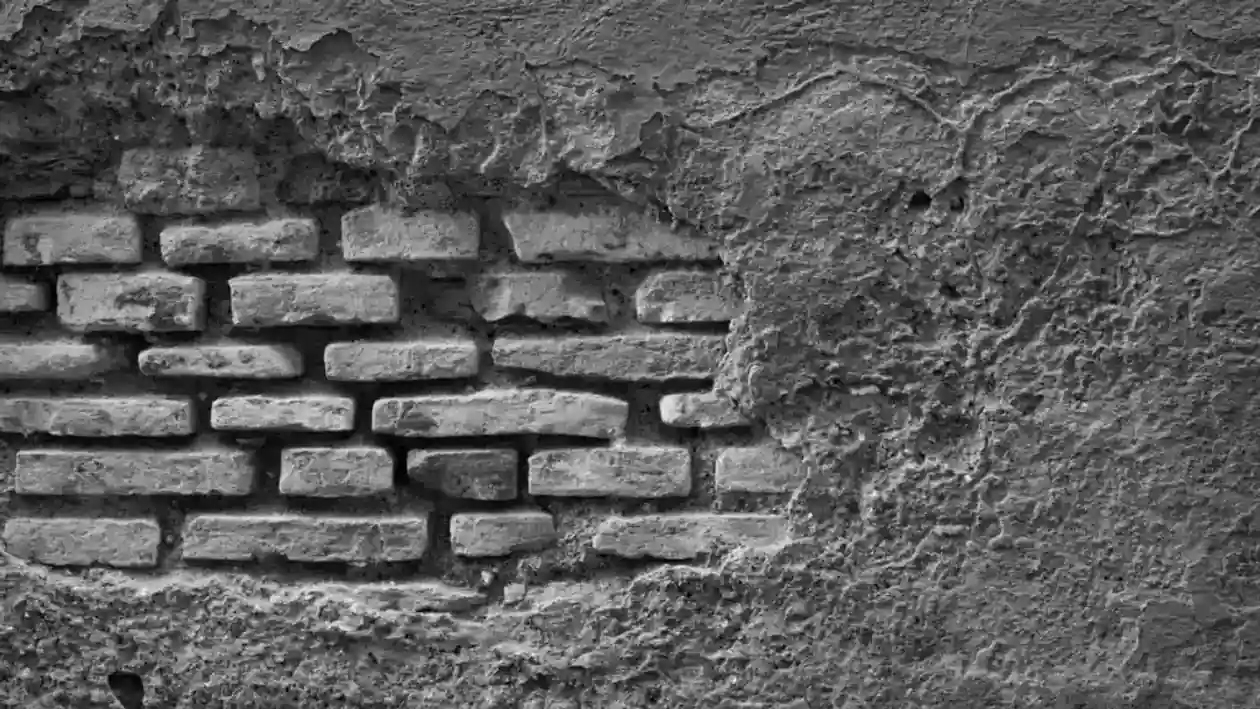
The mechanism works as follows: water enters a masonry unit (brick or mortar joint) through cracks, pores, or failed joints. When that water freezes, it expands by approximately 9% in volume. This expansion creates pressure within the pore or crack — pressure measured in hundreds of pounds per square inch on the surrounding material. When the water thaws and refreezes multiple times in a single winter, the crack or pore widens incrementally with each cycle. Over 10 to 20 years, this process degrades mortar joints, spalls brick faces, and eventually compromises structural integrity in extreme cases.
Prevention starts with water exclusion. Keeping mortar joints in good condition is the single most effective masonry maintenance action a Chicago homeowner can take — deteriorated joints are the primary water entry point in most residential masonry failures. Chimney crowns should be intact and properly sloped to shed water. Flashing at all masonry-roof and masonry-window transitions should be continuous and sealed at all termination points. These maintenance items, addressed on their natural cycles, prevent the freeze-thaw mechanism from operating inside the masonry assembly.
The easiest way to assess your home's freeze-thaw vulnerability is a spring inspection — the damage from the most recent winter is visible at its worst before summer warming closes minor cracks. AMS provides free spring masonry inspections throughout Chicagoland. If we find conditions that make your masonry vulnerable to acceleration over the coming winter, we will document them in writing and provide repair options with priority recommendations. Contact us to schedule an inspection before the summer renovation season fills our schedule.