Mortar-matched tuckpointing on a 1940s North Shore brick home — original soft mortar replaced with a correct Type S formulation, tooled to period-correct profile on all four elevations.
Project Details
Drag the handle to compare. Use arrows to browse all 3 project photos.
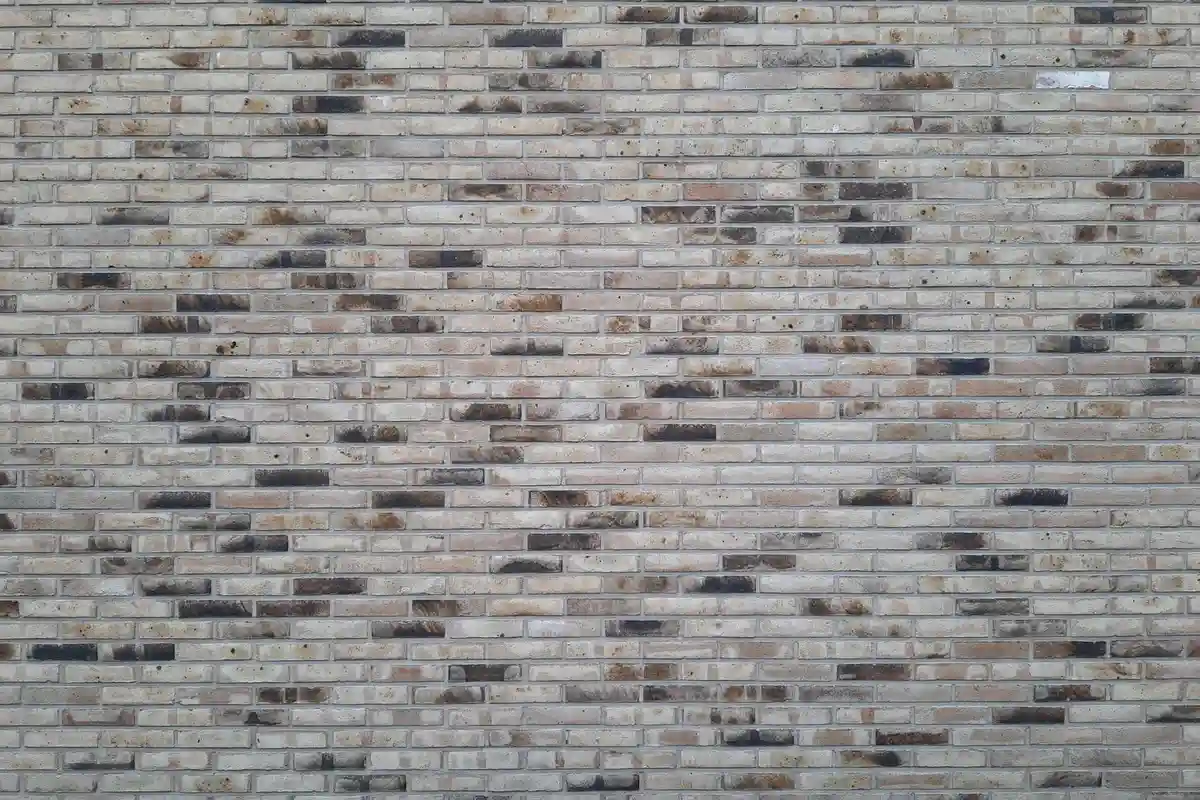 After
After 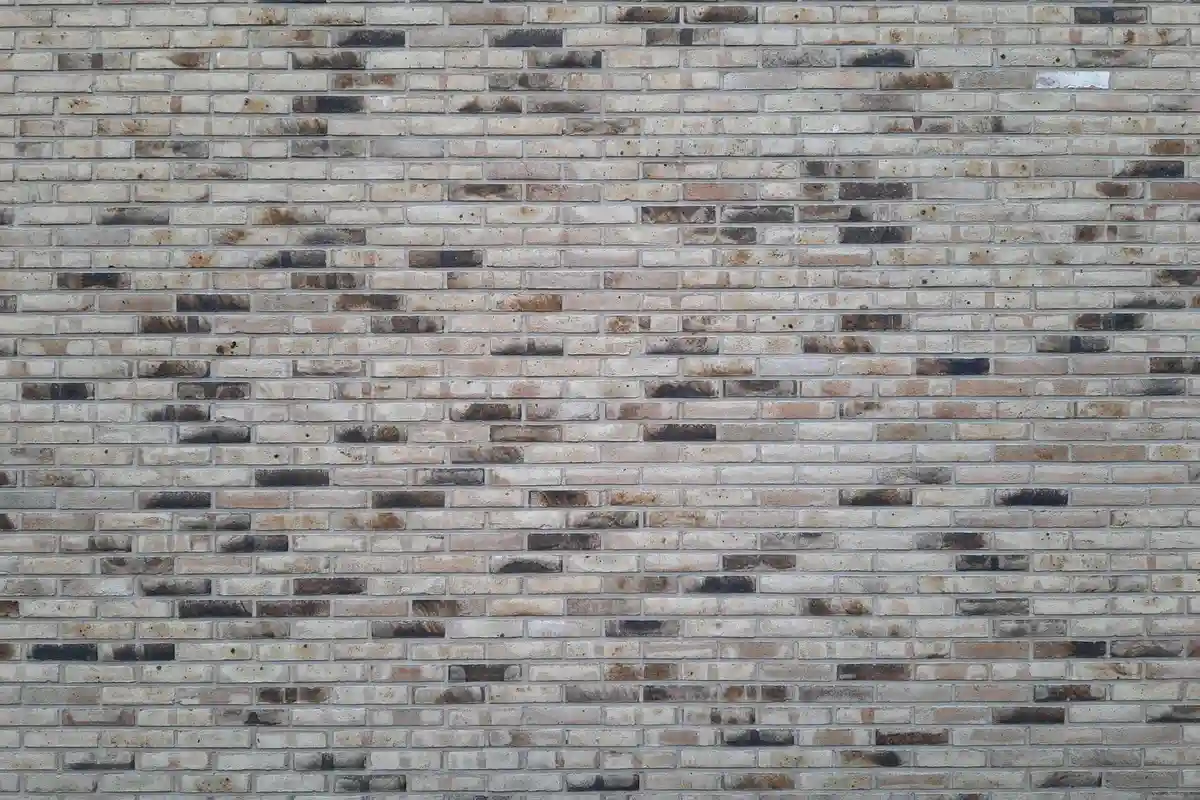 Before
 1/3 — Main facade — failed mortar joints removed and replaced with Type S color-matched mortar
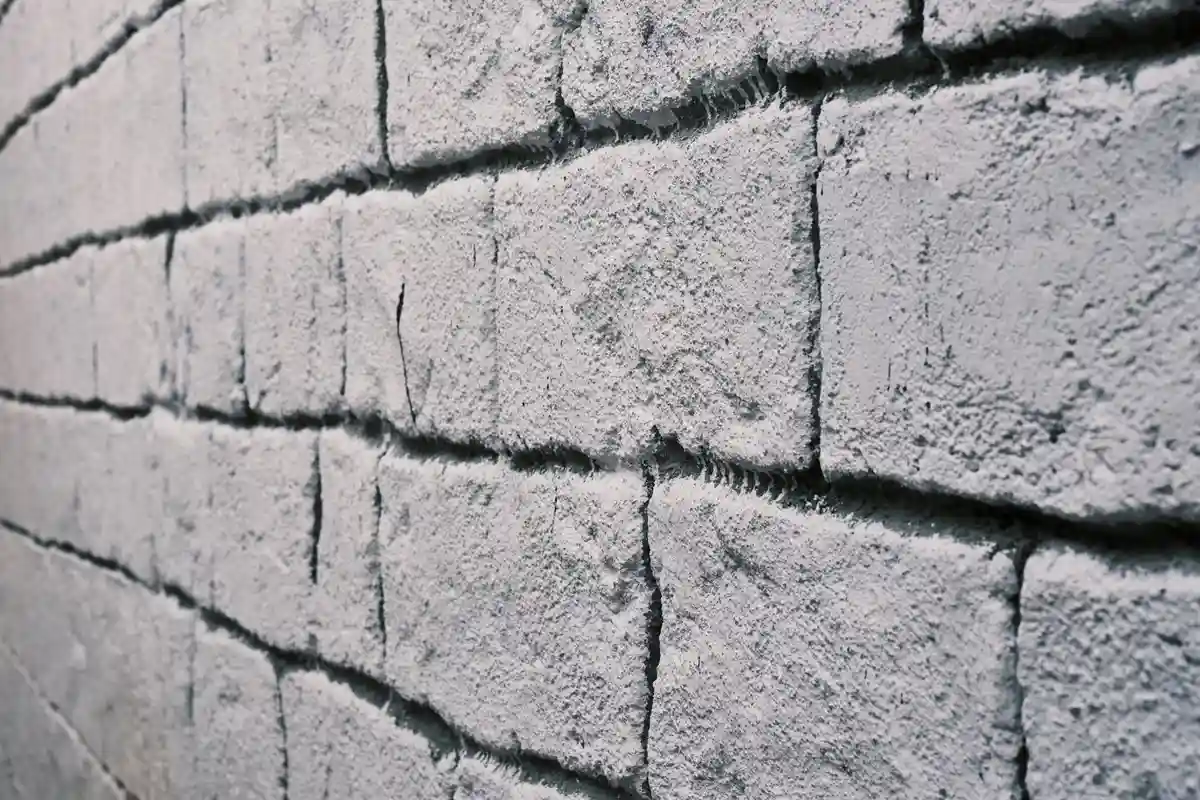 After
After 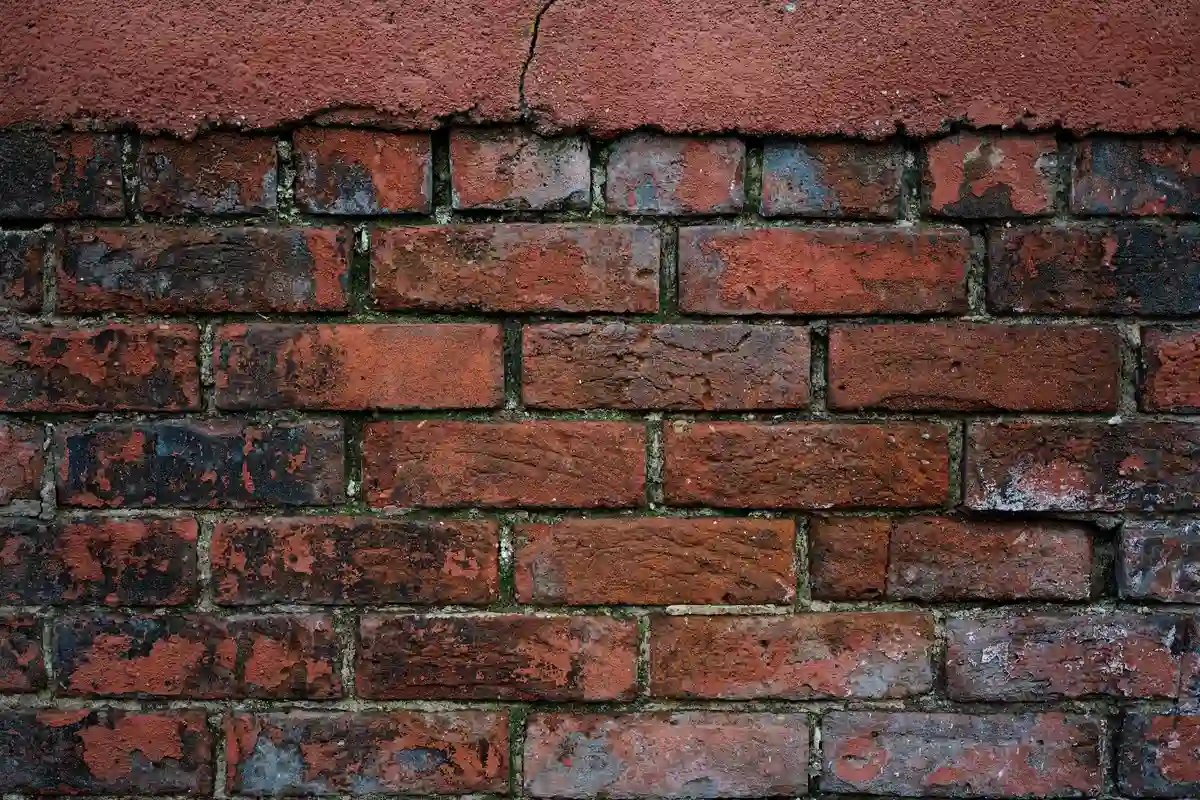 Before
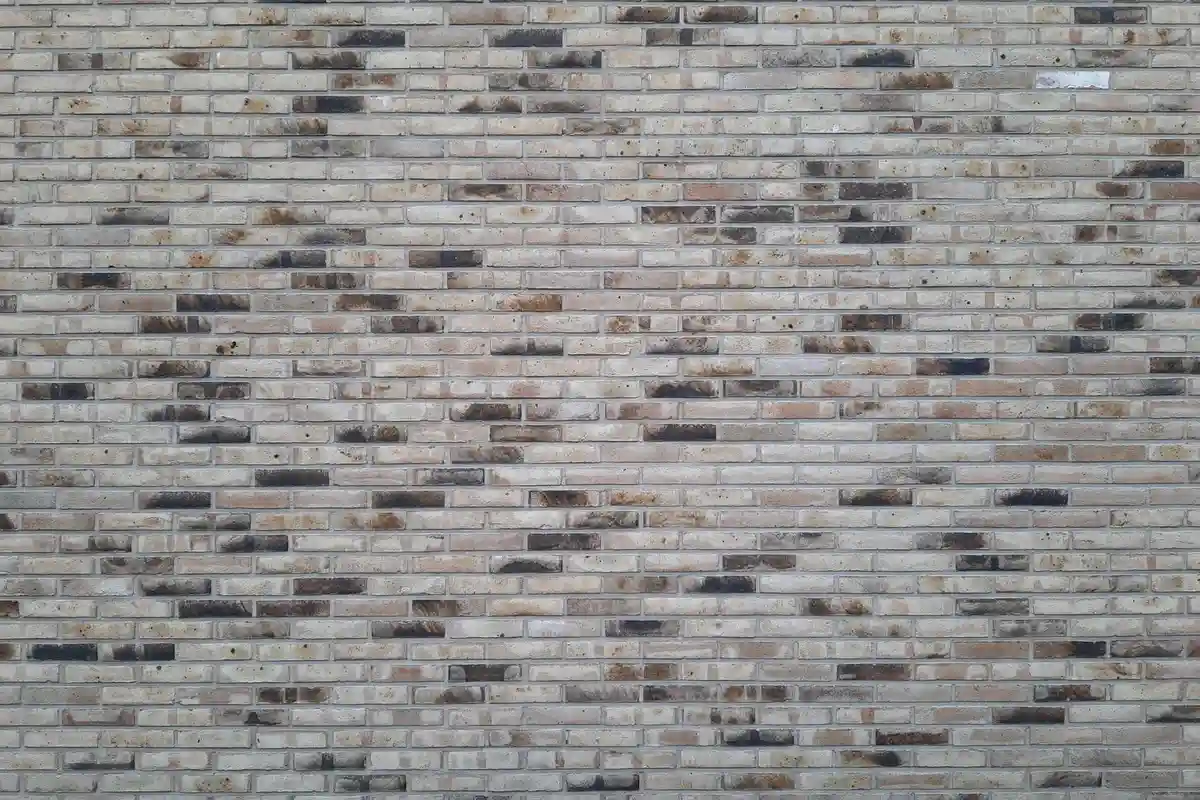
 2/3 — Side wall — full-depth joint restoration with consistent tooled profile
 After
After 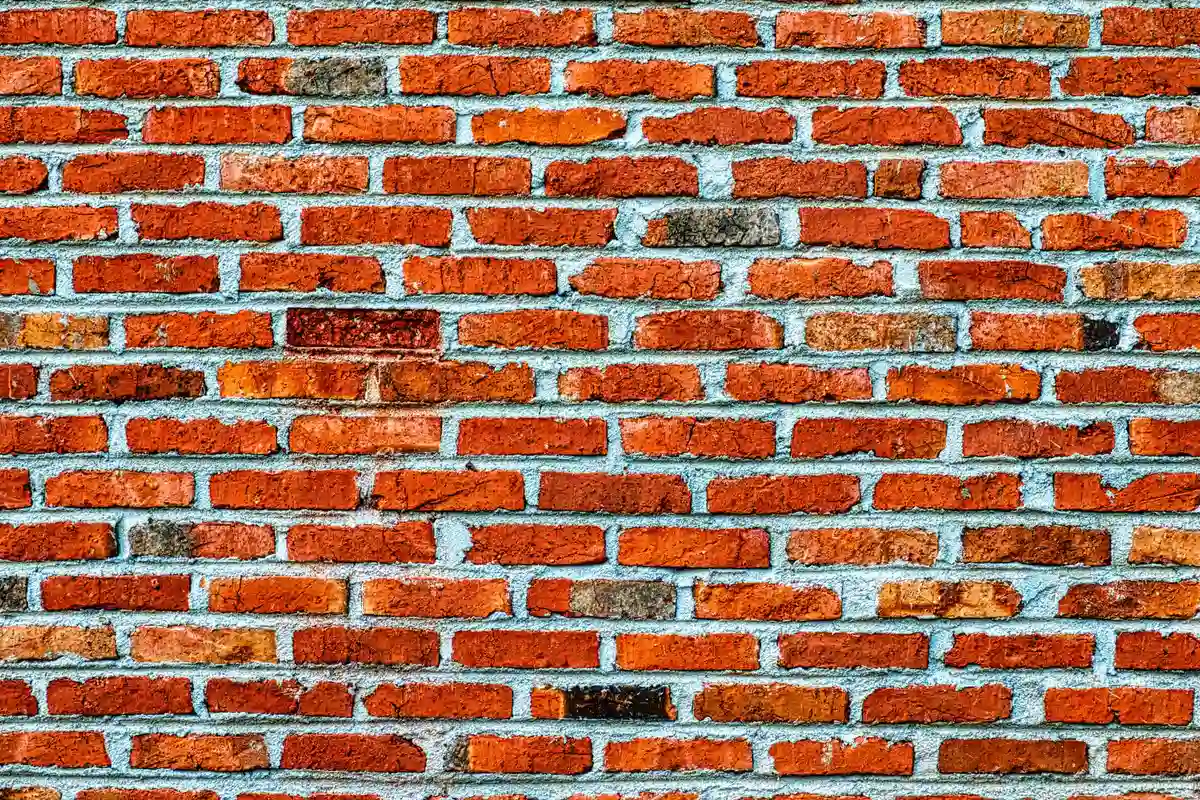 Before
 3/3 — Chimney section — deteriorated mortar repointed and sealed against water infiltration
A 1940s Winnetka brick home with original soft mortar deteriorating — this is the most common scenario we see on the North Shore. Delaying tuckpointing on this property would have led to interior water damage within 2-3 seasons.
Eroded mortar joints allow water infiltration that damages interior walls and framing
Wrong mortar type used in DIY or inexperienced repointing causes accelerated brick failure
Delayed tuckpointing turns a $2,000 job into a $15,000 structural repair
Every project follows the same disciplined sequence — no shortcuts, no hand-offs, same crew start to finish.
We probe joints to measure depth, assess mortar hardness, and identify all failure points before any work begins. A proper assessment prevents missing the full scope.
Failing mortar is removed to a minimum 3/4" depth using angle grinders and chisels. Compressed air cleans the joint before any mortar is applied.
We mix Type S mortar to match the original color and consistency. Mortar is packed in layers, not applied in one pass — the correct method for a durable, weather-tight joint.
Joints are tooled to match the existing profile when mortar reaches the right consistency. We walk every elevation before closeout — no missed joints, no uneven profiles.
Tuckpointing done right is one of the highest-ROI investments in a brick building. Properly matched mortar and correct joint depth prevent water infiltration for two decades or more. AMS has been color-matching mortar on Chicagoland homes since 2007 — we do not guess.
Crumbling, missing, or recessed mortar joints are the primary sign. We also look for efflorescence (white mineral staining), soft mortar that can be scratched out with a key, and water stains on interior walls near the brick.
We use Type S mortar blended specifically for existing brick. Type S provides the right compressive strength — stronger Portland mortar actually damages older brick, so the mix matters as much as the application.
We stop tuckpointing when temperatures fall below 40°F. Cold weather prevents proper mortar curing. We will never schedule mortar work into cold weather to meet a deadline — the integrity of the joint is the only standard.