Chimney masonry repair and waterproofing for a Naperville residence — crown replaced, cap installed, brick repointed, and penetrant sealer applied to the complete stack.
Project Details
Drag the handle to compare. Use arrows to browse all 3 project photos.
 After
After 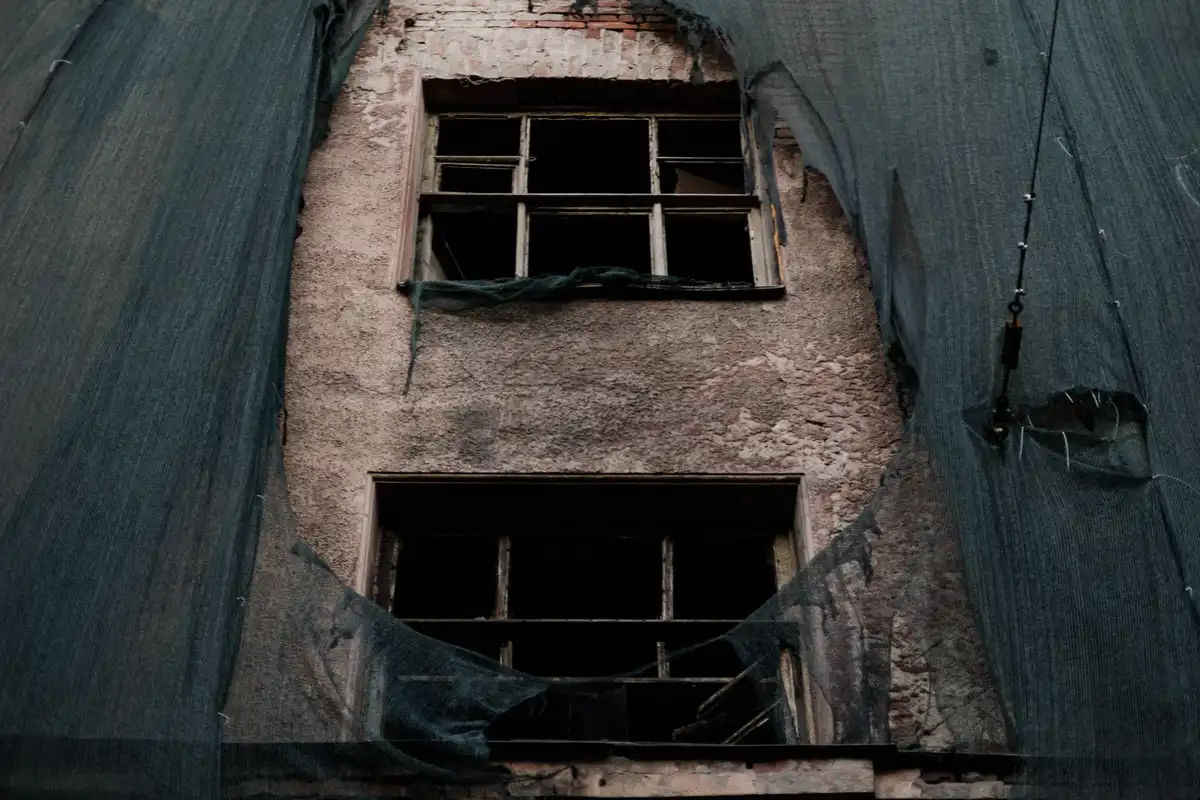 Before
 1/3 — Crown and cap — crumbling crown replaced with properly overhanging poured crown and new cap
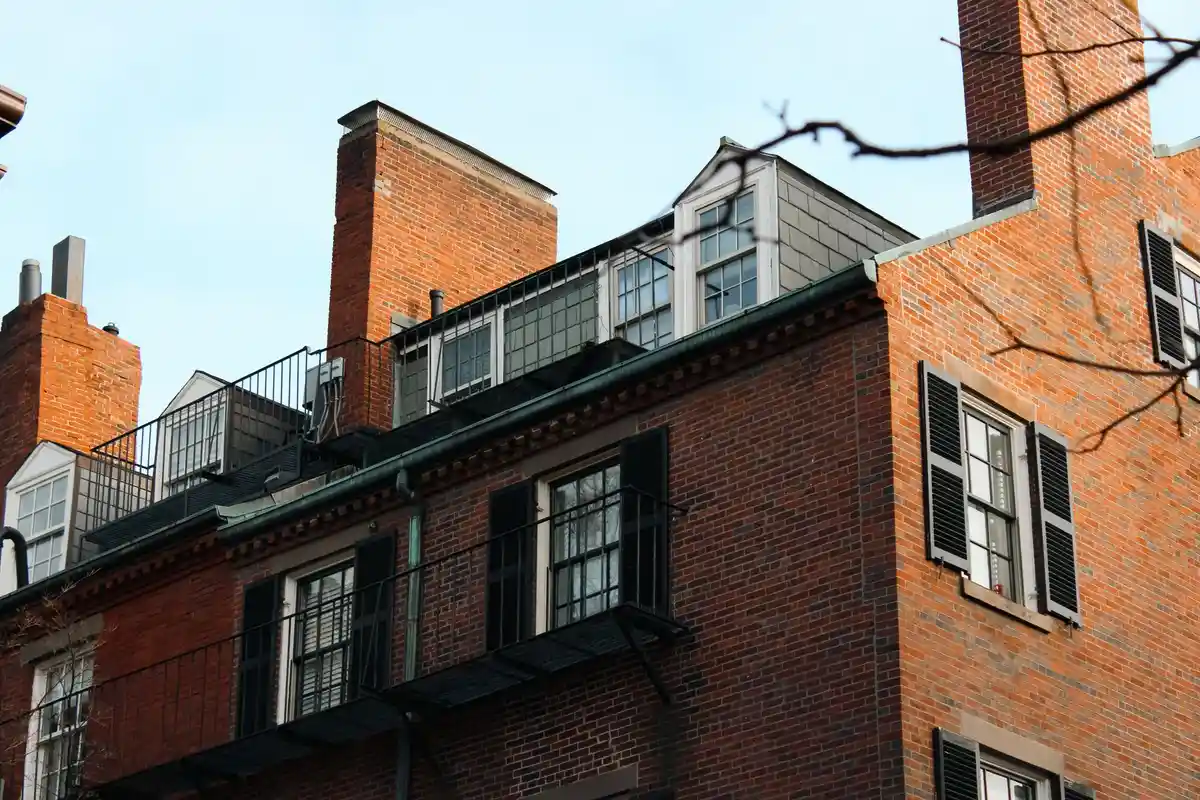 After
After  Before
 2/3 — Stack exterior — spalling brick removed, matched replacements installed with fresh mortar
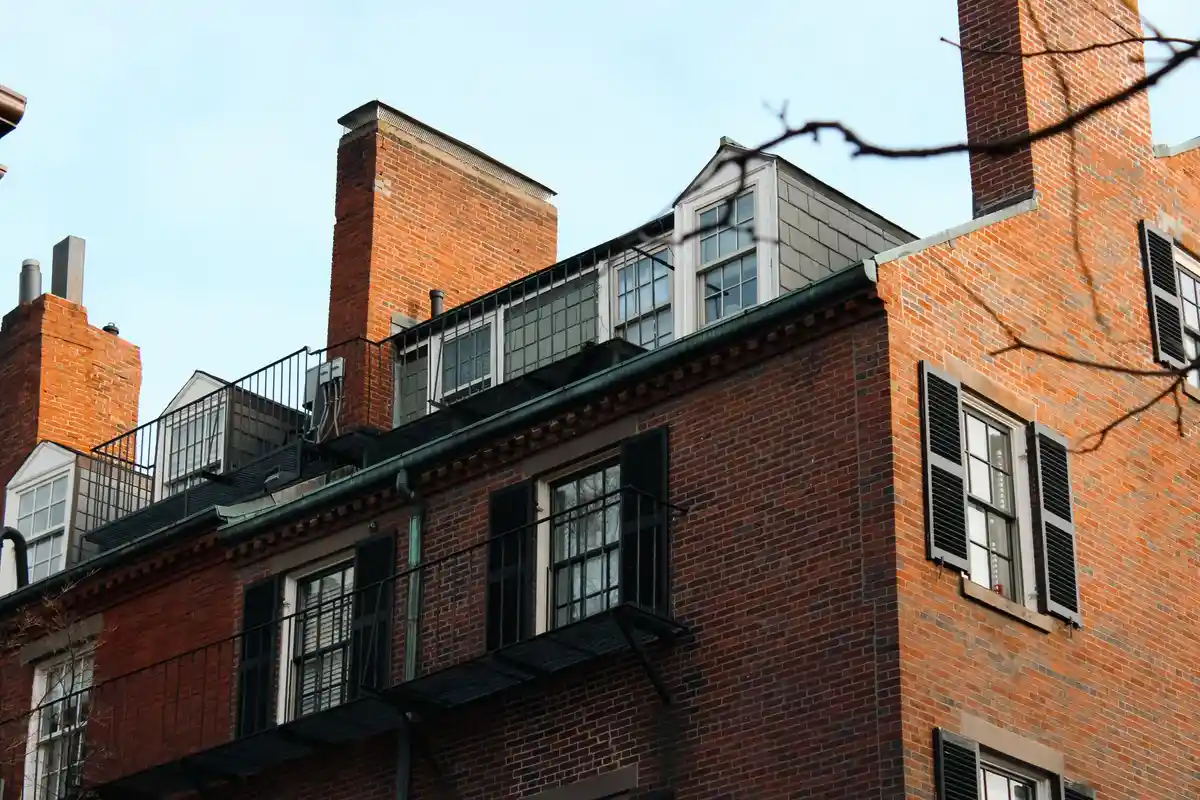 After
After 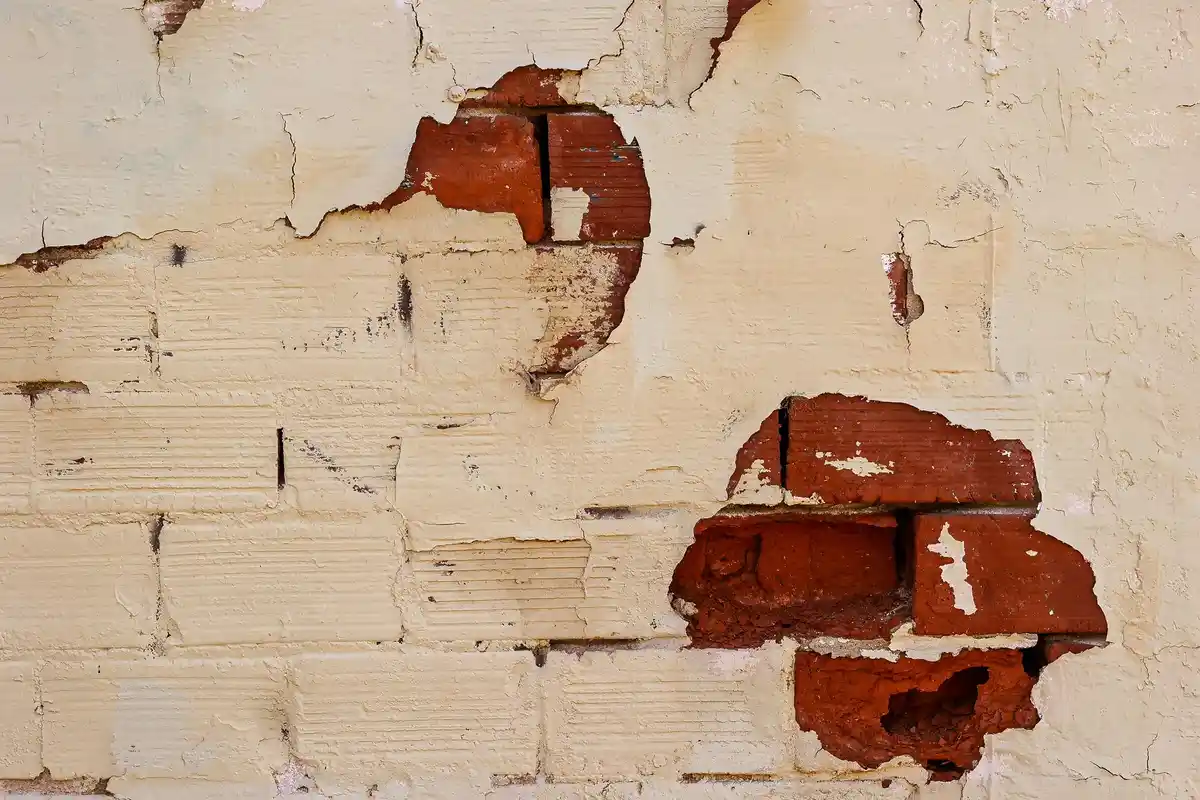 Before
 3/3 — Flashing and base — new counter-flashing installed and sealed at roof interface
Chimney failures are disproportionately common in Naperville's post-1990 homes where builders used low-cost masonry details. This project corrected a chimney crown that had cracked in its first winter due to an improper overhang detail — a design flaw, not a maintenance failure.
Cracked flue liner allows combustion gases and fire risk to reach surrounding framing
Spalling crowns and missing caps let water in, accelerating freeze-thaw deterioration
Damaged chimney mortar joints allow moisture infiltration that weakens the entire stack
Every project follows the same disciplined sequence — no shortcuts, no hand-offs, same crew start to finish.
We inspect the crown, cap, flashing, flue surround, and full stack exterior. Camera inspection of the flue liner is available when interior damage is suspected.
We replace failing crowns with properly overhanging poured crowns, install stainless caps, and integrate counter-flashing at the roof interface — the three most common water entry points.
Spalling brick is removed and replaced with matched units. All mortar joints on the stack are repointed with color-matched Type S mortar tooled to original profile.
We apply penetrant sealer to the full stack, document all work with before/after photos, and provide a written inspection record before we leave.
A properly restored chimney is both safe and low-maintenance. AMS handles every element — crown, cap, flashing, stack, and flue surround — so nothing is left unaddressed. Every chimney project closes with a written inspection record and a warranty on all labor.
Annual inspection is the industry standard, especially in Illinois where freeze-thaw cycles are severe. We recommend a masonry inspection every 3-5 years unless you notice visible spalling, cracking, or water in the firebox.
Spalling is almost always caused by water infiltration. Water freezes inside the brick face, expands, and pushes the face off. A compromised crown or cap is usually the entry point — fixing the crown first is the right order of operations.
In most cases, yes. We maintain relationships with regional and salvage suppliers that carry discontinued profiles. For very old or rare brick, we source salvaged matching units from demolition yards.