Brick and stone veneer upgrade on a Downers Grove split-level home — correctly anchored installation, drainage mat, and a color-approved profile that transforms the street elevation.
Project Details
Drag the handle to compare. Use arrows to browse all 3 project photos.
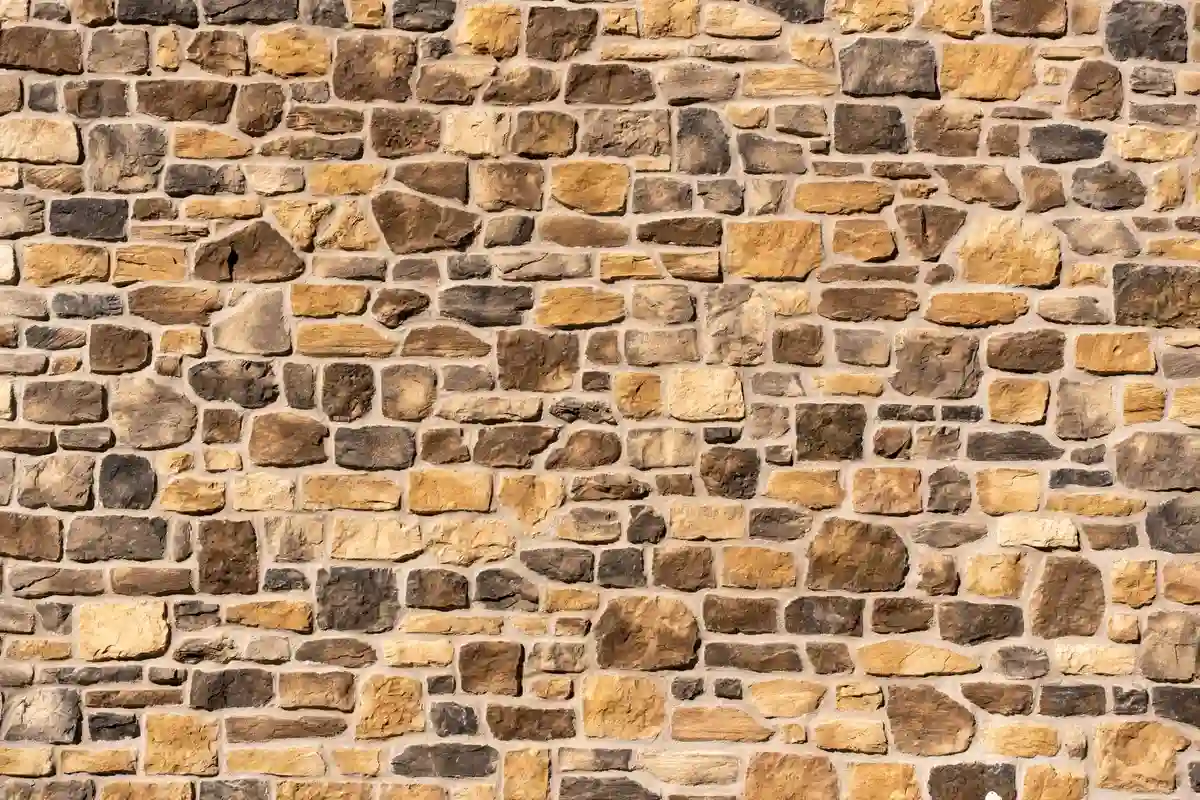 After
After 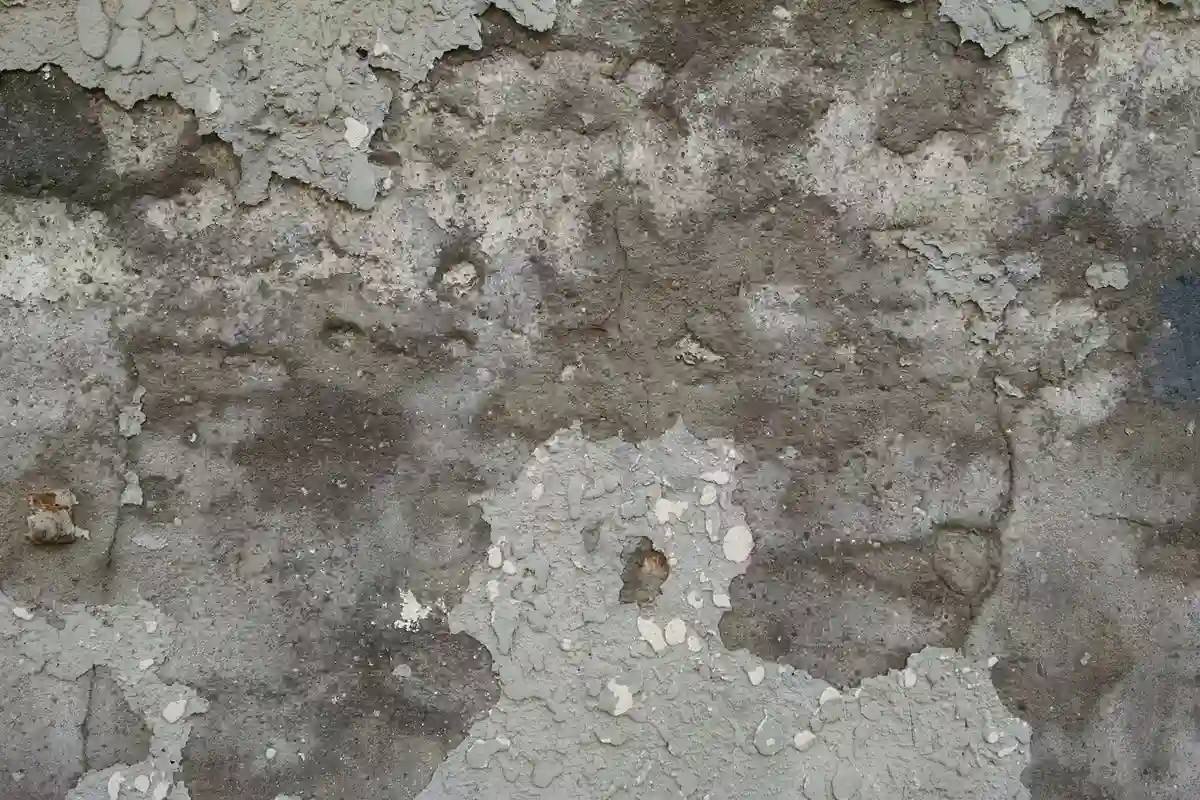 Before
 1/3 — Front facade — dated siding removed, stone veneer installed over proper drainage mat
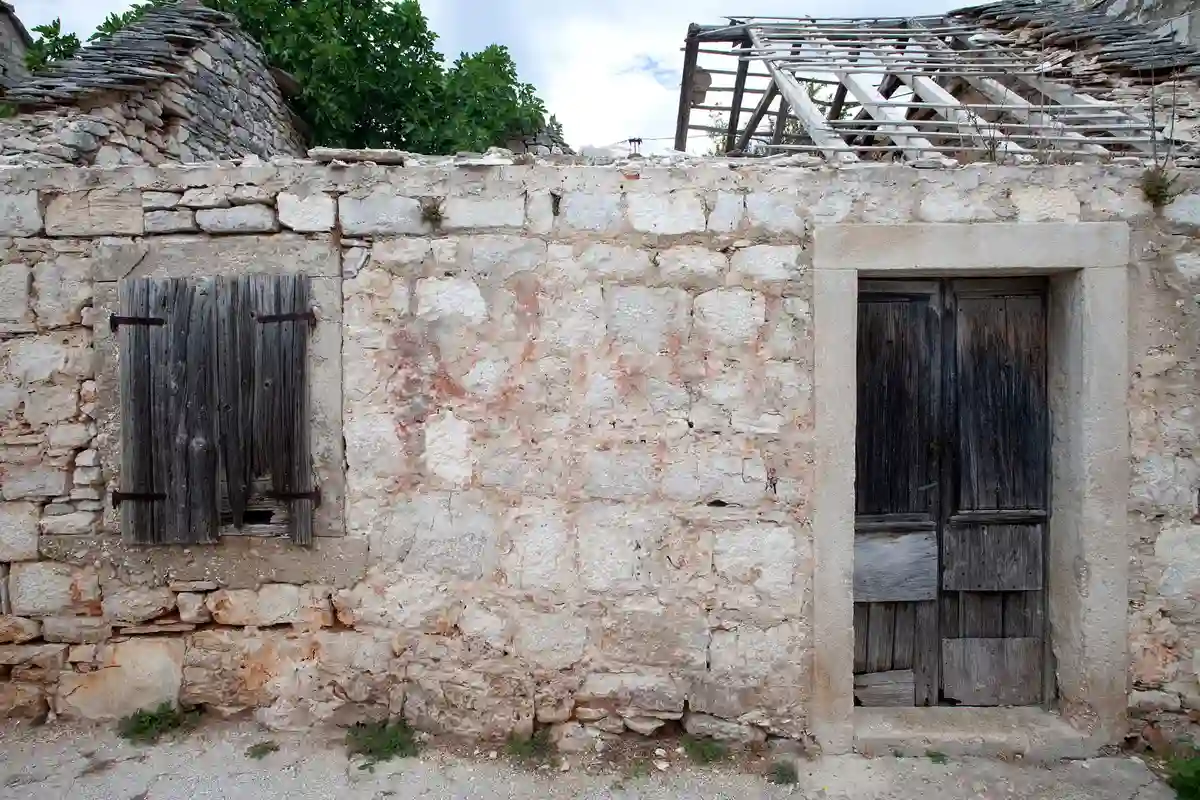 After
After  Before
 2/3 — Entry surround — stone veneer accent columns and arch installed with matching mortar
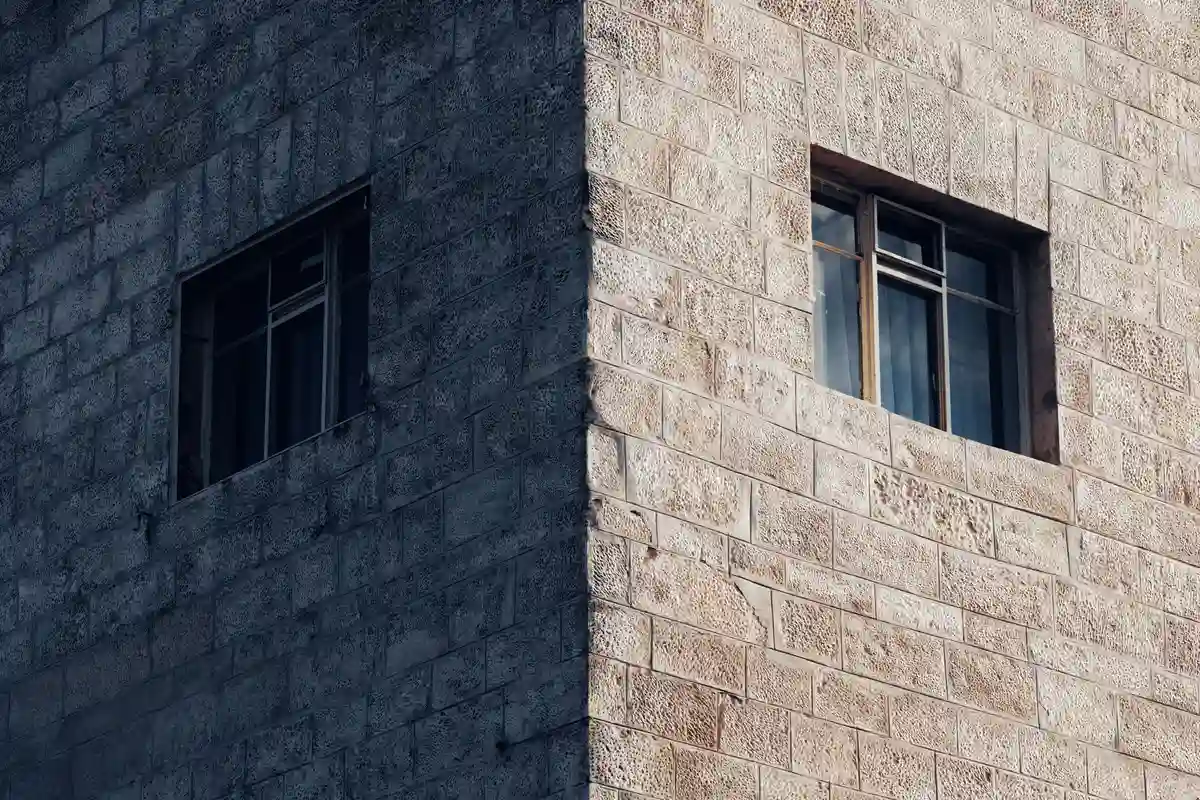 After
After  Before
 3/3 — Side elevation — stone veneer cladding with soldier course cap detail at window sills
This Downers Grove split-level had a dated aluminum siding exterior that was masking the home's architectural bones. The owner's goal was to match the brick and stone aesthetic of neighboring 1970s homes that had been properly updated.
Veneer installed without proper wall ties pulls away from substrate within 5-10 years
Wrong adhesive or mortar backing causes cracking, buckling, and water infiltration
Mismatched stone profiles create visible inconsistencies that reduce curb appeal and value
Every project follows the same disciplined sequence — no shortcuts, no hand-offs, same crew start to finish.
We assess substrate integrity, moisture levels, and drainage conditions. Veneer installed over a compromised substrate fails regardless of the installation quality on top.
We plan joint lines, corner details, and transition points to create a coherent pattern. Samples are placed on the wall for homeowner approval before installation starts.
Every veneer unit is mechanically tied to the substrate — no adhesive-only attachment. Mortar backing is applied at full coverage, not spot-troweled shortcuts.
Joints are grouted to matching color and tooled to correct profile. All edges and transitions are caulked and sealed. Final inspection walks every elevation before sign-off.
Brick and stone veneer are among the most impactful exterior upgrades available — when installed correctly. AMS uses full mechanical anchoring, proper drainage mats, and correctly formulated mortar on every veneer project. No adhesive shortcuts, no hidden installation problems.
Full-bed brick is a structural masonry unit set in a full mortar bed and tied to the structure. Brick veneer is a single-wythe facing attached to a frame structure. Both are durable when installed correctly — the key is correct wall tie spacing and mortar coverage.
Often yes, depending on the substrate condition and load capacity of the existing structure. We assess substrate integrity before recommending over-cladding. Wet or soft substrates must be remediated first.
Most residential veneer projects on a single-family home run 1-2 weeks. Projects with complex pattern work, multiple transitions, or large square footage may run 3-4 weeks. We provide a written schedule before we start.